Compare
Finn vs the alternatives — honestly compared.
See how Finn stacks up against other platforms, find the best AI voice agent for your industry, or compare by use case. Fair, factual, and up to date.
Already shortlisted someone? These go feature by feature.

Finn vs Vapi
Vapi fits engineering teams that want maximum control and will absorb the operational cost of assembling and maintaining a multi-vendor stack.

Finn vs Retell AI
Retell fits teams that mainly want a fast, managed single-agent phone experience and are comfortable building the surrounding logic themselves.

Finn vs Bland AI
Bland fits teams running high-volume outbound campaigns whose engineers are comfortable working inside its Pathways scripting.

Finn vs Synthflow
Synthflow fits non-technical teams and agencies with simpler, fairly standard use cases that don't need deep CRM logic or real-time data.

Finn vs ElevenLabs
ElevenLabs fits teams that prioritize voice realism and developers who want to build on a voice/agent API and assemble the surrounding logic themselves.

Finn vs PolyAI
PolyAI fits large enterprises that want a done-for-you, custom-built contact-center assistant and have the budget and timeline for a services-led deployment.

Finn vs Air.ai
Air.ai appeals to teams drawn to fully-autonomous outbound sales calls and willing to work within its model and approach.

Finn vs Observe.AI
Observe.AI fits contact centers that keep human agents on the phone and want to score, coach and improve those conversations at scale.

Finn vs Gong
Gong fits revenue teams that want visibility into their reps' conversations and pipeline — recording, analyzing and coaching human sellers.

Finn vs Parloa
Parloa fits large enterprises running a formal contact-centre programme, with the team and the timeline to design, test and optimise agents as a managed lifecycle.

Finn vs fonio.ai
fonio fits small teams with a German-speaking front desk and straightforward calls, who want something answering the phone this afternoon without a project.

Finn vs Regal AI
Regal fits US enterprises already running a contact centre, who want the AI agent to sit inside that stack and report alongside the human queues.

Cartesia vs ElevenLabs
The two text-to-speech engines most voice agents run on, weighed on latency, voice range and cost.

Finn vs Twilio
Twilio gives you the pipes and expects you to build the agent. What that costs, and when it is still the right call.
Best Vapi alternatives
Five platforms worth shortlisting if Vapi is not the fit, and what each one is actually good at.
Vapi vs Retell vs Bland vs Synthflow
Compare
Best for healthcare
The best AI voice agents for healthcare in 2026 — compared on HIPAA readiness, EHR/EMR integration, insurance verification and multilingual patient calls.

Best for real estate
The best AI voice agents for real estate in 2026 — compared on speed-to-lead, buyer/seller qualification, showing scheduling and CRM sync.

Best for recruitment
The best AI voice agents for recruitment in 2026 — compared on candidate screening, interview scheduling, reminders and ATS integration.

Best for customer success
The best AI voice agents for customer success in 2026 — compared on renewals, win-back, NPS/CSAT surveys and proactive outreach.

Best for automotive
The best AI voice agents for automotive and car dealerships in 2026 — compared on service scheduling, sales follow-up, DMS/CRM integration and multilingual.

Best for insurance
The best AI voice agents for insurance in 2026 — compared on claims intake, policy renewals, quote follow-up, compliance and CRM integration.

Best for mortgage
The best AI voice agents for mortgage lenders and brokers in 2026 — compared on lead qualification, speed-to-lead, compliance and CRM/LOS integration.

Best for solar
The best AI voice agents for solar in 2026 — compared on lead qualification, appointment setting, speed-to-lead and CRM integration.

Best for education
The best AI voice agents for education in 2026 — compared on admissions and enrollment calls, student inquiries, reception and multilingual support.

Best for financial services
The best AI voice agents for financial services in 2026 — compared on payment reminders, collections, servicing calls, compliance and CRM integration.
Best for fintech
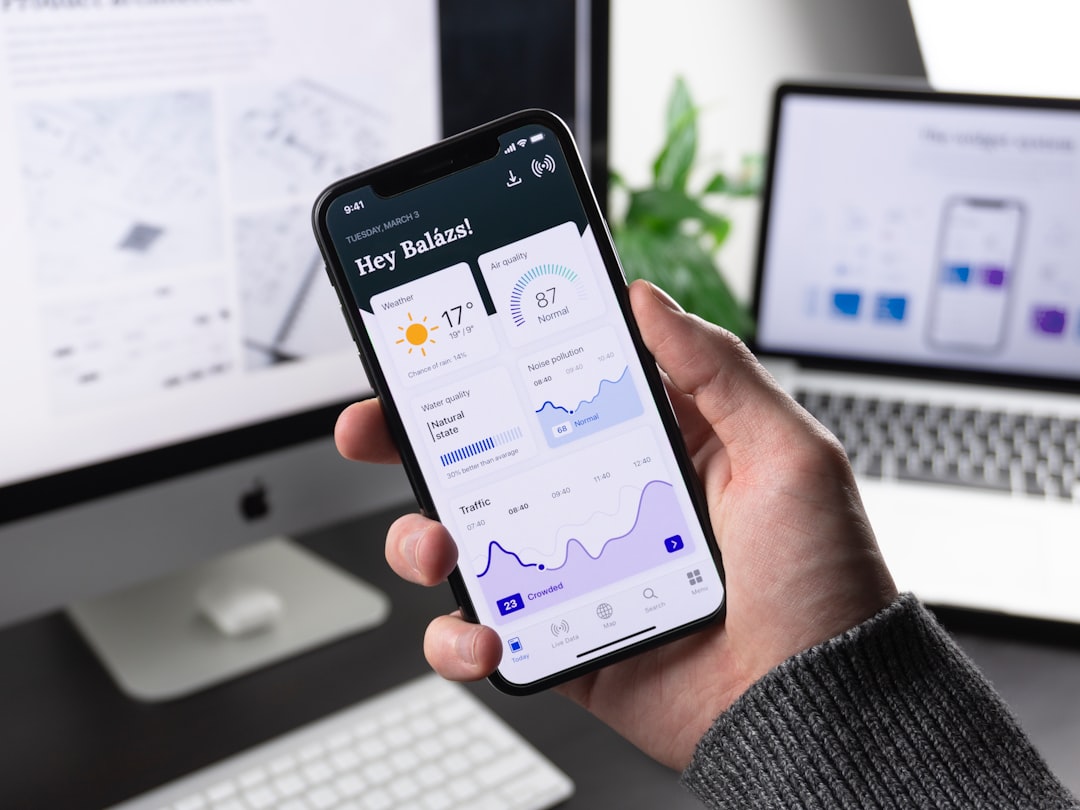
The best AI voice agents for fintech in 2026 — compared on fraud confirmation, verification calls, alerts, compliance and API integration.

Best for home services
The best AI voice agents for home services in 2026 — compared on job booking, dispatch, missed-call recovery and reminders.

Best for hospitality
The best AI voice agents for hospitality in 2026 — compared on reservations, event inquiries, guest questions and multilingual reception.

Best for legal
The best AI voice agents for legal in 2026 — compared on client intake, lead screening, after-hours answering and confidentiality.

Best for logistics
The best AI voice agents for logistics in 2026 — compared on delivery confirmation, scheduling, notifications and outbound at scale.

Best for nonprofits
The best AI voice agents for nonprofits in 2026 — compared on donor outreach, fundraising calls, surveys and volunteer coordination.

Best for retail
The best AI voice agents for retail and e-commerce in 2026 — compared on customer service, order status, cart recovery and outbound at scale.

Best for SaaS
The best AI voice agents for SaaS in 2026 — compared on demo booking, trial follow-up, activation and expansion calls.

Best for travel
The best AI voice agents for travel in 2026 — compared on booking confirmations, itinerary changes, support and multilingual calls.

Best for wellness
The best AI voice agents for wellness in 2026 — compared on appointment booking, reminders, reception and no-show reduction.

Best answering services
The best answering services in 2026 — live human receptionists compared against AI voice agents, on cost, coverage and what each actually handles.
Best call centre software
The best call center software in 2026, compared on what each is built for — and where an AI voice agent removes the queue instead of managing it.

Best cloud phone systems
The best cloud phone systems in 2026, and where an AI voice agent fits instead — compared on what each one is actually built for.

Best AI receptionist software
The best AI receptionist software in 2026 — voice agents that answer every call and book appointments 24/7. Compared on setup and integrations.

Best AI cold calling software
The best AI cold calling software in 2026 — voice agents that place outbound calls at scale. Compared on concurrency, no-code flows, CRM sync and compliance.

Best AI SDR software
The best AI SDR software in 2026 — voice agents that call, qualify and book meetings. Compared on speed-to-lead, calendar booking and CRM sync.
Best AI appointment scheduling software
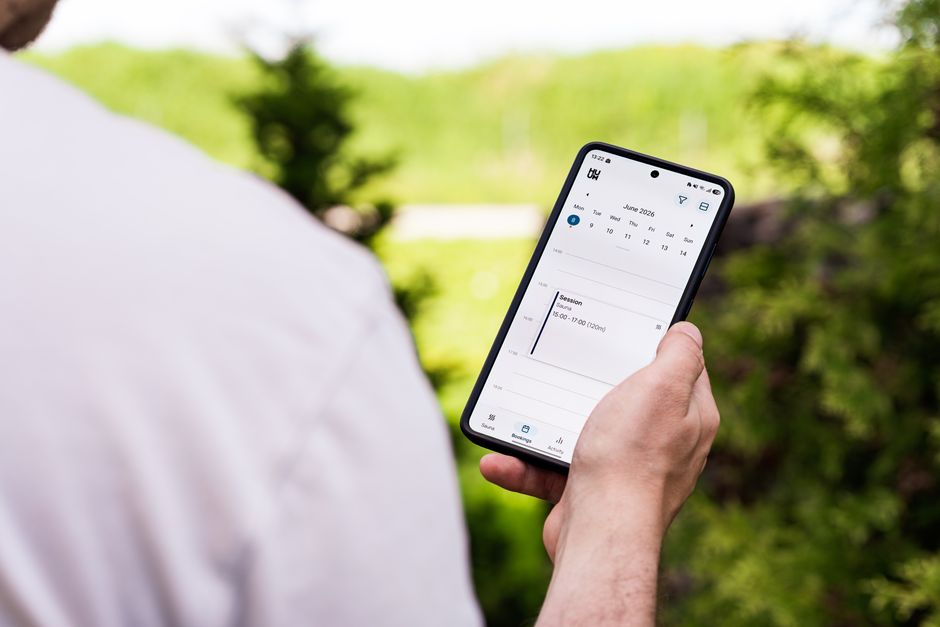
The best AI appointment scheduling software in 2026 — voice agents that book, reschedule and remind by phone. Compared on calendar sync and no-show rate.
Common questions
- What is the difference between an answering service and an AI voice agent?
- A traditional answering service routes your calls to human operators, usually billed per minute or per call. An AI voice agent answers the call itself — it follows a call flow you define, looks things up, books appointments and escalates to a person when it should. The practical difference is cost at volume and availability: an AI agent answers every call at once, at any hour, at a flat per-minute rate.
- How should I compare AI voice agent vendors?
- Four things separate them in practice. Whether you need engineers to ship a flow or can build one yourself; whether inbound and outbound are both supported or only one; what integrates natively with your CRM and calendar versus what needs custom work; and what the compliance posture is if you are in a regulated industry. Latency and voice quality matter, but they are table stakes now — the differences above are what you actually live with.
- Which guide should I read first?
- Start with your industry if it is listed — those guides cover the call types, integrations and compliance constraints specific to it. If your use case matters more than your sector (an SDR team, a receptionist replacement), start with the use-case guides. If you are already evaluating a named vendor, go straight to that comparison.
- Are these guides ranked?
- No. They are buyer guides, not a leaderboard. Each one explains what to look for in that context and where Finn fits. Rankings that claim a single "best" across every business are rarely useful — the right answer depends on call volume, integrations and whether you are regulated. Last reviewed July 2026.
See Finn on your own calls.
Book a 30-minute demo — no stack to assemble, no engineering required.